- 您现在的位置:买卖IC网 > PDF目录15521 > NCP3011DTBR2G (ON Semiconductor)IC REG CTRLR BUCK PWM VM 14TSSOP PDF资料下载
参数资料
| 型号: | NCP3011DTBR2G |
| 厂商: | ON Semiconductor |
| 文件页数: | 22/28页 |
| 文件大小: | 0K |
| 描述: | IC REG CTRLR BUCK PWM VM 14TSSOP |
| 标准包装: | 1 |
| PWM 型: | 电压模式 |
| 输出数: | 1 |
| 频率 - 最大: | 470kHz |
| 占空比: | 83% |
| 电源电压: | 4.7 V ~ 28 V |
| 降压: | 是 |
| 升压: | 无 |
| 回扫: | 无 |
| 反相: | 无 |
| 倍增器: | 无 |
| 除法器: | 无 |
| Cuk: | 无 |
| 隔离: | 无 |
| 工作温度: | -40°C ~ 125°C |
| 封装/外壳: | 14-TSSOP(0.173",4.40mm 宽) |
| 包装: | 标准包装 |
| 其它名称: | NCP3011DTBR2GOSDKR |
第1页第2页第3页第4页第5页第6页第7页第8页第9页第10页第11页第12页第13页第14页第15页第16页第17页第18页第19页第20页第21页当前第22页第23页第24页第25页第26页第27页第28页
NCP3011, NCV3011
V out = 3.3 V
18 V
12 V
I PP +
LP CU + I RMS 2 @ DCR
18
17
16
15
14
13 15 V
12
11
10
9
8
7
6
5
4
3 9V
2
1
0
10% 15% 20% 25% 30% 35% 40%
V IN , (V)
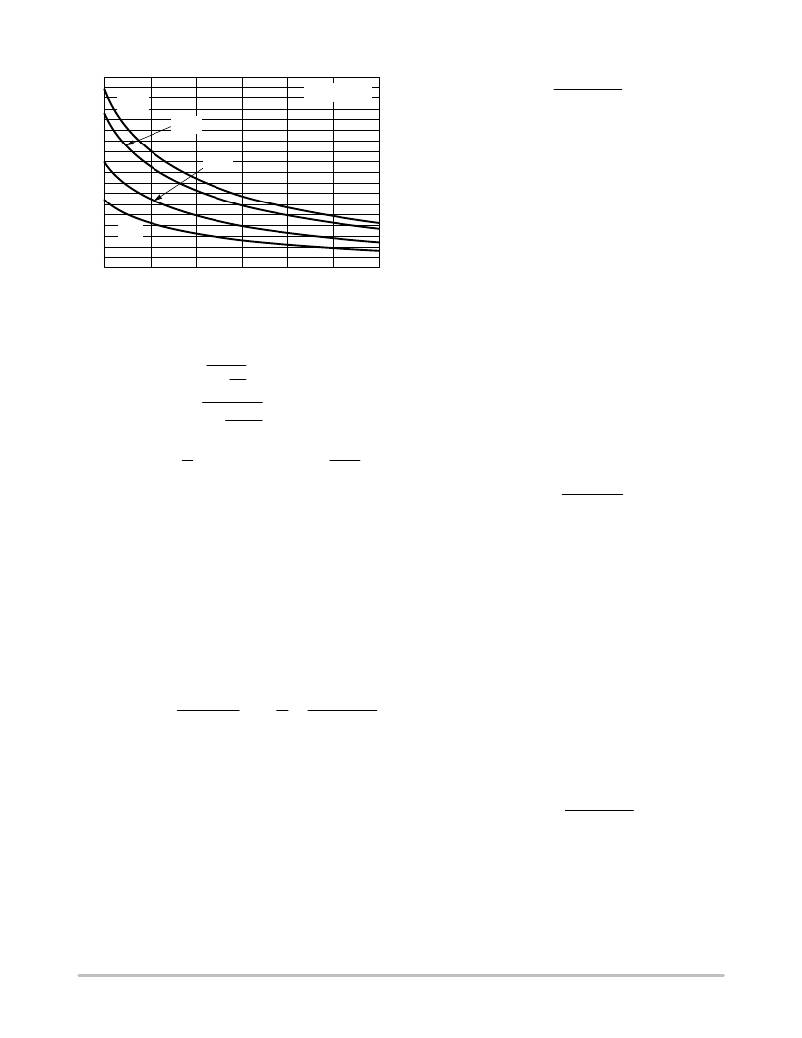
Figure 42. Ripple Current Ratio vs. Inductance
To keep within the bounds of the parts maximum rating,
calculate the RMS current and peak current.
V OUT (1 * D)
(eq. 14)
L OUT @ F SW
Ipp is the peak to peak current of the inductor. From this
equation it is clear that the ripple current increases as L OUT
decreases, emphasizing the trade ? off between dynamic
response and ripple current.
The power dissipation of an inductor consists of both
copper and core losses. The copper losses can be further
categorized into dc losses and ac losses. A good first order
approximation of the inductor losses can be made using the
DC resistance as they usually contribute to 90% of the losses
of the inductor shown below:
(eq. 15)
The core losses and ac copper losses will depend on the
geometry of the selected core, core material, and wire used.
Most vendors will provide the appropriate information to
make accurate calculations of the power dissipation then the
1 ) ra 3 8.02 A
I RMS + I OUT @
2
12
(eq. 11)
total inductor losses can be capture buy the equation below:
LP tot + LP CU_DC ) LP CU_AC ) LP Core (eq. 16)
+ 8A @
1 )
(0.23) 2
12
Input Capacitor Selection
The input capacitor has to sustain the ripple current
I PK + I OUT @ 1 )
ra
2
3 8.92 A + 8 A @ 1 )
(0.23)
2
(eq. 12)
produced during the on time of the upper MOSFET, so it
must have a low ESR to minimize the losses. The RMS value
of this ripple is:
SlewRate LOUT + 3 2.6 +
L OUT
(eq. 18)
I INRUSH +
An inductor for this example would be around 3.3 m H and
should support an rms current of 8.02 A and a peak current
of 8.92 A.
The final selection of an output inductor has both
mechanical and electrical considerations. From a
mechanical perspective, smaller inductor values generally
correspond to smaller physical size. Since the inductor is
often one of the largest components in the regulation system,
a minimum inductor value is particularly important in
space ? constrained applications. From an electrical
perspective, the maximum current slew rate through the
output inductor for a buck regulator is given by Equation 13.
V IN * V OUT A 12 V * 3.3 V
m s 3.3 m H
(eq. 13)
This equation implies that larger inductor values limit the
regulator ’s ability to slew current through the output
inductor in response to output load transients. Consequently,
output capacitors must supply the load current until the
inductor current reaches the output load current level. This
results in larger values of output capacitance to maintain
tight output voltage regulation. In contrast, smaller values of
inductance increase the regulator ’s maximum achievable
slew rate and decrease the necessary capacitance, at the
expense of higher ripple current. The peak ? to ? peak ripple
current for the NCP3011 is given by the following equation:
Iin RMS + I OUT @ D @ (1 * D) (eq. 17)
D is the duty cycle, Iin RMS is the input RMS current, and
I OUT is the load current.
The equation reaches its maximum value with D = 0.5.
Loss in the input capacitors can be calculated with the
following equation:
2
P CIN + ESR CIN @ I IN * RMS
P CIN is the power loss in the input capacitors and ESR CIN
is the effective series resistance of the input capacitance.
Due to large dI/dt through the input capacitors, electrolytic
or ceramics should be used. If a tantalum must be used, it
must by surge protected. Otherwise, capacitor failure could
occur.
Input Start ? up Current
To calculate the input startup current, the following
equation can be used.
C OUT @ V OUT
(eq. 19)
t SS
I inrush is the input current during startup, C OUT is the total
output capacitance, V OUT is the desired output voltage, and
t SS is the soft start interval. If the inrush current is higher than
the steady state input current during max load, then the input
fuse should be rated accordingly, if one is used.
http://onsemi.com
22
相关PDF资料 |
PDF描述 |
|---|---|
| RPP50-483.3S | CONV DC/DC 50W 36-75VIN 3.3VOUT |
| RPP40-2424DW | CONV DC/DC 40W 9-36V +/-24VOUT |
| RPP40-2415DW-F | CONV DC/DC 40W 9-36V +/-15VOUT |
| RPP40-2415DW-1F | CONV DC/DC 40W 9-36V +/-15VOUT |
| RPP40-2415DW-1 | CONV DC/DC 40W 9-36V +/-15VOUT |
相关代理商/技术参数 |
参数描述 |
|---|---|
| NCP3011GEVB | 功能描述:电源管理IC开发工具 NCP3011 EVALUATION BOARD RoHS:否 制造商:Maxim Integrated 产品:Evaluation Kits 类型:Battery Management 工具用于评估:MAX17710GB 输入电压: 输出电压:1.8 V |
| NCP3012 | 制造商:ONSEMI 制造商全称:ON Semiconductor 功能描述:Synchronous PWM Controller |
| NCP3012DTBR2G | 功能描述:电压模式 PWM 控制器 Single Output Buck 0.8V to 40V 70uA RoHS:否 制造商:Texas Instruments 输出端数量:1 拓扑结构:Buck 输出电压:34 V 输出电流: 开关频率: 工作电源电压:4.5 V to 5.5 V 电源电流:600 uA 最大工作温度:+ 125 C 最小工作温度:- 40 C 封装 / 箱体:WSON-8 封装:Reel |
| NCP301HSN09T1 | 功能描述:电压监测器/监控器 0.9V Detector RoHS:否 制造商:Texas Instruments 监测电压数:2 监测电压:Adjustable 输出类型:Open Drain 欠电压阈值: 过电压阈值: 准确性:1 % 工作电源电压:1.5 V to 6.5 V 工作电源电流:1.8 uA 最大工作温度:+ 125 C 封装 / 箱体:SON-6 安装风格:SMD/SMT |
| NCP301HSN09T1G | 功能描述:电压监测器/监控器 0.9V Detector w/Reset High RoHS:否 制造商:Texas Instruments 监测电压数:2 监测电压:Adjustable 输出类型:Open Drain 欠电压阈值: 过电压阈值: 准确性:1 % 工作电源电压:1.5 V to 6.5 V 工作电源电流:1.8 uA 最大工作温度:+ 125 C 封装 / 箱体:SON-6 安装风格:SMD/SMT |
发布紧急采购,3分钟左右您将得到回复。