- 您现在的位置:买卖IC网 > PDF目录11568 > IDT82V2108PX8 (IDT, Integrated Device Technology Inc)IC FRAMER T1/J1/E1 8CH 128-PQFP PDF资料下载
参数资料
| 型号: | IDT82V2108PX8 |
| 厂商: | IDT, Integrated Device Technology Inc |
| 文件页数: | 205/292页 |
| 文件大小: | 0K |
| 描述: | IC FRAMER T1/J1/E1 8CH 128-PQFP |
| 标准包装: | 500 |
| 控制器类型: | T1/E1/J1 调帧器 |
| 接口: | 并联 |
| 电源电压: | 2.97 V ~ 3.63 V |
| 电流 - 电源: | 160mA |
| 工作温度: | -40°C ~ 85°C |
| 安装类型: | 表面贴装 |
| 封装/外壳: | 128-BFQFP |
| 供应商设备封装: | 128-PQFP(14x20) |
| 包装: | 带卷 (TR) |
| 其它名称: | 82V2108PX8 |
第1页第2页第3页第4页第5页第6页第7页第8页第9页第10页第11页第12页第13页第14页第15页第16页第17页第18页第19页第20页第21页第22页第23页第24页第25页第26页第27页第28页第29页第30页第31页第32页第33页第34页第35页第36页第37页第38页第39页第40页第41页第42页第43页第44页第45页第46页第47页第48页第49页第50页第51页第52页第53页第54页第55页第56页第57页第58页第59页第60页第61页第62页第63页第64页第65页第66页第67页第68页第69页第70页第71页第72页第73页第74页第75页第76页第77页第78页第79页第80页第81页第82页第83页第84页第85页第86页第87页第88页第89页第90页第91页第92页第93页第94页第95页第96页第97页第98页第99页第100页第101页第102页第103页第104页第105页第106页第107页第108页第109页第110页第111页第112页第113页第114页第115页第116页第117页第118页第119页第120页第121页第122页第123页第124页第125页第126页第127页第128页第129页第130页第131页第132页第133页第134页第135页第136页第137页第138页第139页第140页第141页第142页第143页第144页第145页第146页第147页第148页第149页第150页第151页第152页第153页第154页第155页第156页第157页第158页第159页第160页第161页第162页第163页第164页第165页第166页第167页第168页第169页第170页第171页第172页第173页第174页第175页第176页第177页第178页第179页第180页第181页第182页第183页第184页第185页第186页第187页第188页第189页第190页第191页第192页第193页第194页第195页第196页第197页第198页第199页第200页第201页第202页第203页第204页当前第205页第206页第207页第208页第209页第210页第211页第212页第213页第214页第215页第216页第217页第218页第219页第220页第221页第222页第223页第224页第225页第226页第227页第228页第229页第230页第231页第232页第233页第234页第235页第236页第237页第238页第239页第240页第241页第242页第243页第244页第245页第246页第247页第248页第249页第250页第251页第252页第253页第254页第255页第256页第257页第258页第259页第260页第261页第262页第263页第264页第265页第266页第267页第268页第269页第270页第271页第272页第273页第274页第275页第276页第277页第278页第279页第280页第281页第282页第283页第284页第285页第286页第287页第288页第289页第290页第291页第292页
IDT82V2108
T1 / E1 / J1 OCTAL FRAMER
IEEE STD 1149.1 JTAG Test Access Port
273
March 5, 2009
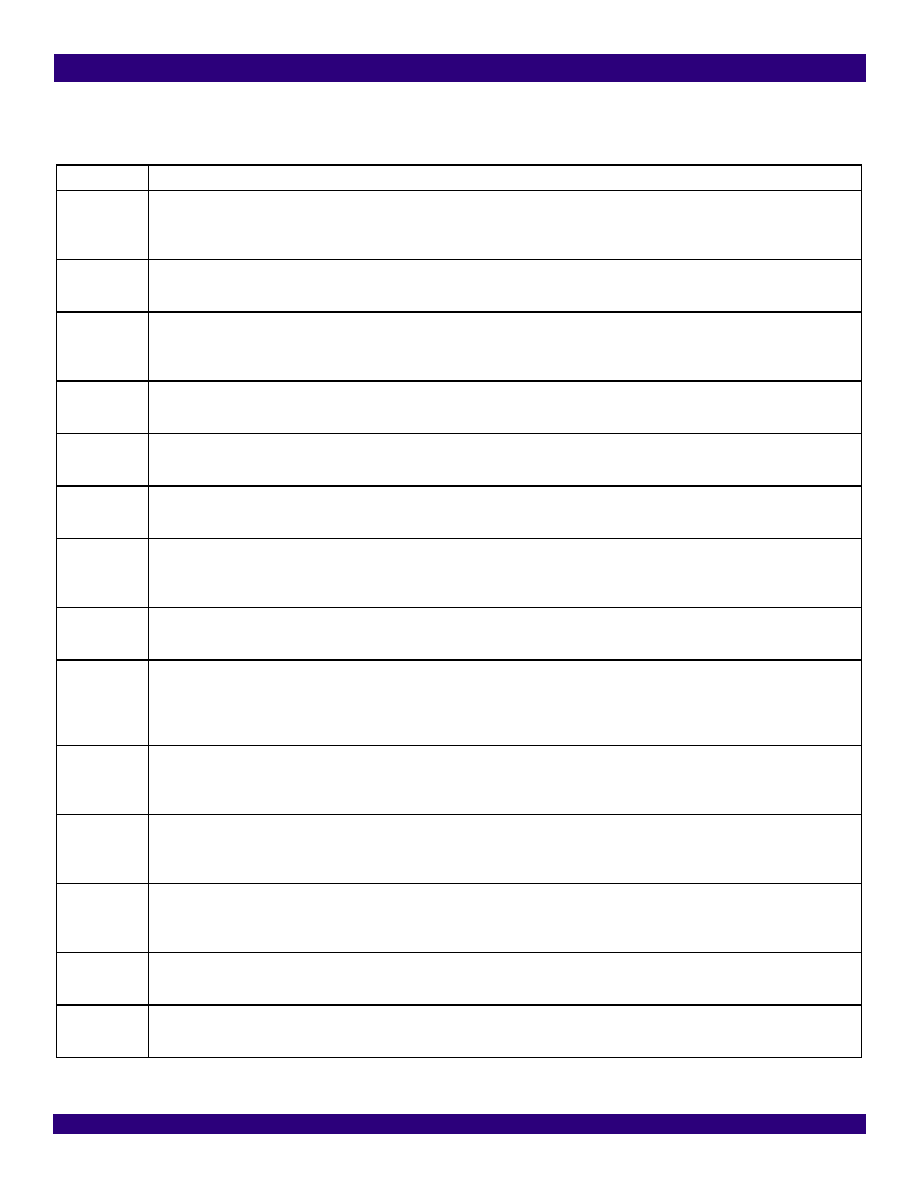
Table 69: TAP Controller State Description
STATE
DESCRIPTION
Test Logic Reset In this state, the test logic is disabled to continue normal operation of the device. During initialization, the device initializes the instruction register
with the IDCODE instruction.
Regardless of the original state of the controller, the controller enters the Test-Logic-Reset state when the TMS input is held high for at least 5 ris-
ing edges of TCK. The controller remains in this state while TMS is high.
Run-Test/Idle
This is a controller state between scan operations. Once in this state, the controller remains in the state as long as TMS is held low. The instruc-
tion register and all test data registers retain their previous state. When TMS is high and a rising edge is applied to TCK, the controller moves to
the Select-DR state.
Select-DR-Scan This is a temporary controller state and the instruction does not change in this state. The test data register selected by the current instruction
retains its previous state. If TMS is held low and a rising edge is applied to TCK when in this state, the controller moves into the Capture-DR state
and a scan sequence for the selected test data register is initiated. If TMS is held high and a rising edge applied to TCK, the controller moves to
the Select-IR-Scan state.
Capture-DR
In this state, the Boundary Scan Register captures input pin data if the current instruction is EXTEST or SAMPLE/PRELOAD. The instruction does
not change in this state. The other test data registers, which do not have parallel input, are not changed. When the TAP controller is in this state
and a rising edge is applied to TCK, the controller enters the Exit1-DR state if TMS is high or the Shift-DR state if TMS is low.
Shift-DR
In this controller state, the test data register connected between TDI and TDO as a result of the current instruction shifts data on stage toward its
serial output on each rising edge of TCK. The instruction does not change in this state. When the TAP controller is in this state and a rising edge
is applied to TCK, the controller enters the Exit1-DR state if TMS is high or remains in the Shift-DR state if TMS is low.
Exit1-DR
This is a temporary state. While in this state, if TMS is held high, a rising edge applied to TCK causes the controller to enter the Update-DR state,
which terminates the scanning process. If TMS is held low and a rising edge is applied to TCK, the controller enters the Pause-DR state. The test
data register selected by the current instruction retains its previous value and the instruction does not change during this state.
Pause-DR
The pause state allows the test controller to temporarily halt the shifting of data through the test data register in the serial path between TDI and
TDO. For example, this state could be used to allow the tester to reload its pin memory from disk during application of a long test sequence. The
test data register selected by the current instruction retains its previous value and the instruction does not change during this state. The controller
remains in this state as long as TMS is low. When TMS goes high and a rising edge is applied to TCK, the controller moves to the Exit2-DR state.
Exit2-DR
This is a temporary state. While in this state, if TMS is held high, a rising edge applied to TCK causes the controller to enter the Update-DR state,
which terminates the scanning process. If TMS is held low and a rising edge is applied to TCK, the controller enters the Shift-DR state. The test
data register selected by the current instruction retains its previous value and the instruction does not change during this state.
Update-DR
The Boundary Scan Register is provided with a latched parallel output to prevent changes while data is shifted in response to the EXTEST and
SAMPLE/PRELOAD instructions. When the TAP controller is in this state and the Boundary Scan Register is selected, data is latched into the par-
allel output of this register from the shift-register path on the falling edge of TCK. The data held at the latched parallel output changes only in this
state. All shift-register stages in the test data register selected by the current instruction retain their previous value and the instruction does not
change during this state.
Select-IR-Scan This is a temporary controller state. The test data register selected by the current instruction retains its previous state. If TMS is held low and a ris-
ing edge is applied to TCK when in this state, the controller moves into the Capture-IR state, and a scan sequence for the instruction register is ini-
tiated. If TMS is held high and a rising edge is applied to TCK, the controller moves to the Test-Logic-Reset state. The instruction does not change
during this state.
Capture-IR
In this controller state, the shift register contained in the instruction register loads a fixed value of '100' on the rising edge of TCK. This supports
fault-isolation of the board-level serial test data path. Data registers selected by the current instruction retain their value and the instruction does
not change during this state. When the controller is in this state and a rising edge is applied to TCK, the controller enters the Exit1-IR state if TMS
is held high, or the Shift-IR state if TMS is held low.
Shift-IR
In this state, the shift register contained in the instruction register is connected between TDI and TDO and shifts data one stage towards its serial
output on each rising edge of TCK. The test data register selected by the current instruction retains its previous value and the instruction does not
change during this state. When the controller is in this state and a rising edge is applied to TCK, the controller enters the Exit1-IR state if TMS is
held high, or remains in the Shift-IR state if TMS is held low.
Exit1-IR
This is a temporary state. While in this state, if TMS is held high, a rising edge applied to TCK causes the controller to enter the Update-IR state,
which terminates the scanning process. If TMS is held low and a rising edge is applied to TCK, the controller enters the Pause-IR state. The test
data register selected by the current instruction retains its previous value and the instruction does not change during this state.
Pause-IR
The pause state allows the test controller to temporarily halt the shifting of data through the instruction register. The test data register selected by
the current instruction retains its previous value and the instruction does not change during this state. The controller remains in this state as long
as TMS is low. When TMS goes high and a rising edge is applied to TCK, the controller moves to the Exit2-IR state.
相关PDF资料 |
PDF描述 |
|---|---|
| SST89E54RC-33-C-NJE | IC MCU 8BIT 17KB FLASH 44PLCC |
| SST89E52RC-33-C-NJE | IC MCU 8BIT 9KB FLASH 44PLCC |
| PIC16F1936T-I/MV | IC MCU 8BIT 14KB FLASH 28UQFN |
| VE-27J-IX-S | CONVERTER MOD DC/DC 36V 75W |
| VE-27H-IX-S | CONVERTER MOD DC/DC 52V 75W |
相关代理商/技术参数 |
参数描述 |
|---|---|
| IDT82V2108PXG | 功能描述:IC FRAMER T1/J1/E1 8CH 128-PQFP RoHS:是 类别:集成电路 (IC) >> 接口 - 控制器 系列:- 标准包装:4,900 系列:- 控制器类型:USB 2.0 控制器 接口:串行 电源电压:3 V ~ 3.6 V 电流 - 电源:135mA 工作温度:0°C ~ 70°C 安装类型:表面贴装 封装/外壳:36-VFQFN 裸露焊盘 供应商设备封装:36-QFN(6x6) 包装:* 其它名称:Q6396337A |
| IDT82V2108PXG8 | 功能描述:IC FRAMER T1/J1/E1 8CH 128-PQFP RoHS:是 类别:集成电路 (IC) >> 接口 - 控制器 系列:- 标准包装:4,900 系列:- 控制器类型:USB 2.0 控制器 接口:串行 电源电压:3 V ~ 3.6 V 电流 - 电源:135mA 工作温度:0°C ~ 70°C 安装类型:表面贴装 封装/外壳:36-VFQFN 裸露焊盘 供应商设备封装:36-QFN(6x6) 包装:* 其它名称:Q6396337A |
| IDT82V2604 | 制造商:IDT 制造商全称:Integrated Device Technology 功能描述:INVERSE MULTIPLEXING FOR ATM IDT82V2604 |
| IDT82V2604BB | 功能描述:IC INVERSE MUX 4CH ATM 208-BGA RoHS:否 类别:集成电路 (IC) >> 接口 - 专用 系列:- 标准包装:3,000 系列:- 应用:PDA,便携式音频/视频,智能电话 接口:I²C,2 线串口 电源电压:1.65 V ~ 3.6 V 封装/外壳:24-WQFN 裸露焊盘 供应商设备封装:24-QFN 裸露焊盘(4x4) 包装:带卷 (TR) 安装类型:表面贴装 产品目录页面:1015 (CN2011-ZH PDF) 其它名称:296-25223-2 |
| IDT82V2604BBG | 功能描述:IC INVERSE MUX 4CH ATM 208-BGA RoHS:是 类别:集成电路 (IC) >> 接口 - 专用 系列:- 标准包装:3,000 系列:- 应用:PDA,便携式音频/视频,智能电话 接口:I²C,2 线串口 电源电压:1.65 V ~ 3.6 V 封装/外壳:24-WQFN 裸露焊盘 供应商设备封装:24-QFN 裸露焊盘(4x4) 包装:带卷 (TR) 安装类型:表面贴装 产品目录页面:1015 (CN2011-ZH PDF) 其它名称:296-25223-2 |
发布紧急采购,3分钟左右您将得到回复。